In our view, fuel cell electric vehicles (FCEVs) can play a unique role in the decarbonisation of transport and the wider economy. Powered by hydrogen, FCEVs can help to minimise emissions across many kinds of road transport, from passenger cars like the Toyota Mirai, to vans, trucks, buses, and other sectors such as marine transportation.

Fuel Cell Electric Vehicles
Reducing emissions with fuel cell electric vehicles
Hydrogen mobility is a fundamental part of our multi-pathway approach, especially for sectors and regions where battery electric vehicles (BEVs) face limitations due to infrastructure, range, or operational demands. FCEVs are essential for building a resilient, zero-emission transport ecosystem. While Toyota, along with other OEMs, is committed to hydrogen mobility, its promises can only be fully realised once the key enablers are in place (see ‘Key Enablers’ below).
Reducing emissions with fuel cell electric vehicles
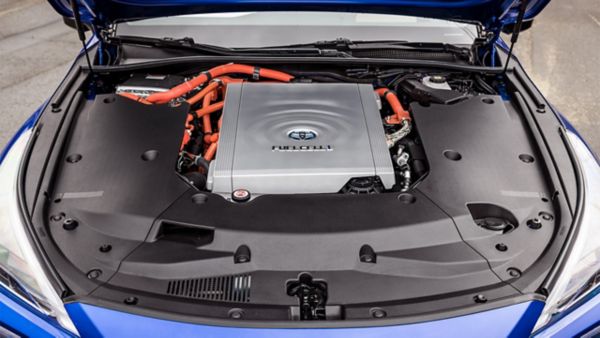
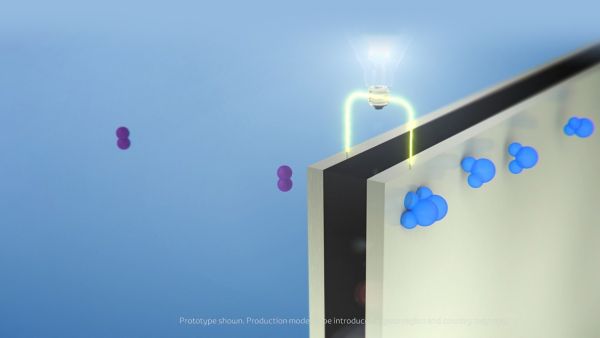
Instead of drawing power from electricity stored in a battery, FCEVs generate electricity via a chemical reaction between hydrogen and oxygen in a fuel cell stack. This process produces zero tailpipe emissions*, making FCEVs an ideal way to decarbonise mobility once the key enablers are in place (see ‘Key Enablers’ below).
Driving an FCEV is as safe, convenient and enjoyable as a conventional vehicle, and refuelling the hydrogen tank from a pump takes less than five minutes.

Designed to meet all customer needs
The European Green Deal recognises hydrogen as one of the key priorities for achieving carbon neutrality. It identifies two critical factors that will unlock the enormous potential of FCEVs to decarbonise transport, as well as the wider use of hydrogen: a network of hydrogen refuelling stations across Europe, and widely available so-called “green hydrogen“, produced by the electrolysis of water using renewable electricity (see ‘Key Enablers’ below).
We’re committed to the coordinated efforts of all transport manufacturers, energy providers, governments and public authorities to help develop national and European hydrogen power infrastructures that can support all FCEVs.
Our fuel cell vehicles
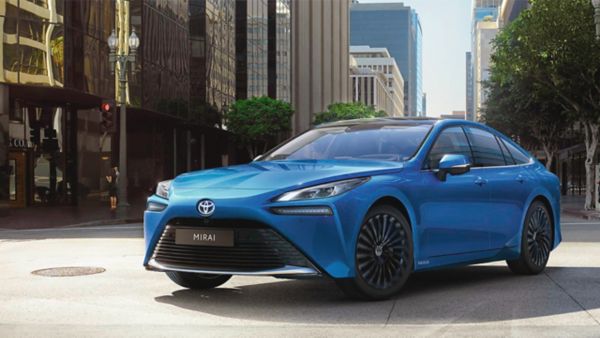
We began developing hydrogen FCEVs way back in 1992 and launched the Mirai sedan in 2014. The latest generation Mirai, launched in 2021, takes FCEV technology to a higher level. We redesigned its fuel cell system to make it lighter and more powerful, and improved the car’s aerodynamic efficiency to extend its driving range to around 650 km.
As well as powering passenger vehicles, fuel cell technology is uniquely suited to the demanding requirements of heavy-duty commercial vehicles like trucks and buses. Its key benefits include long driving range, rapid refuelling times, and high payload capacity. These are all critical for logistics and public transport operations that require vehicles to be on the road for extended periods with minimal downtime.
Key enablers are vital to unlocking hydrogen mobility’s full potential
Hydrogen mobility can contribute to carbon-neutral transport, but this depends on scaling up the supply of green hydrogen, which remains very limited today. Although the EU’s AFIR regulation mandates a network of hydrogen refuelling stations at 200km intervals along TENT corridors, this infrastructure is still some way from being realised, highlighting the gap between regulatory ambition and the current pace of deployment. For its part, Toyota is actively working with other partners, including hydrogen suppliers and infrastructure companies, to develop business sustainable ‘hydrogen eco-systems’ in specific European locations.
Get in Touch with Toyota Fuel Cell Business here
You might also be interested in
Toyota Multi-Pathway Powertrains
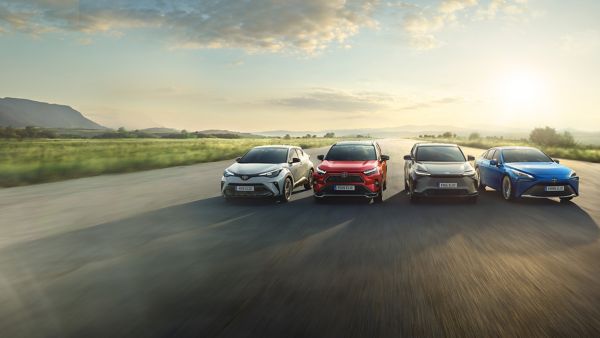
The many paths to carbon neutrality

Hybrid Electric Vehicles
Leading in hybrid technology

Plug-in Hybrid Electric Vehicles
Efficient, convenient plug-in hybrid vehicles

Battery Electric Vehicles
All-electric vehicles as a key contributor to emissions reduction
Batteries
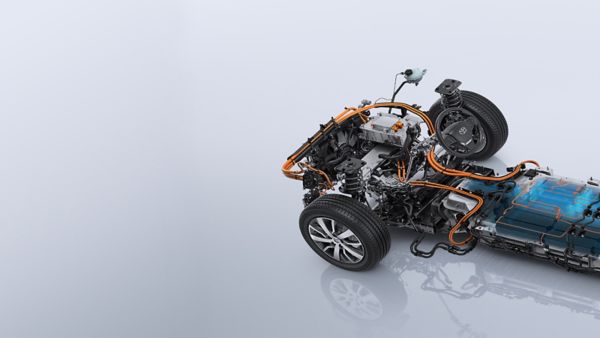
Toyota is one of the world’s leading battery developers and manufacturers
Fuel Cell Applications
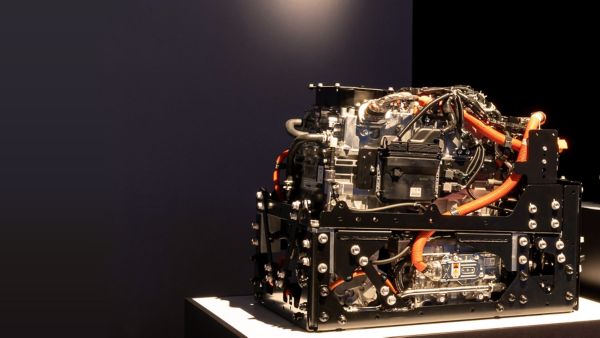
Toyota’s fuel cell modules are powering many diverse zero-emission applications
Toyota Fuel Cell Business
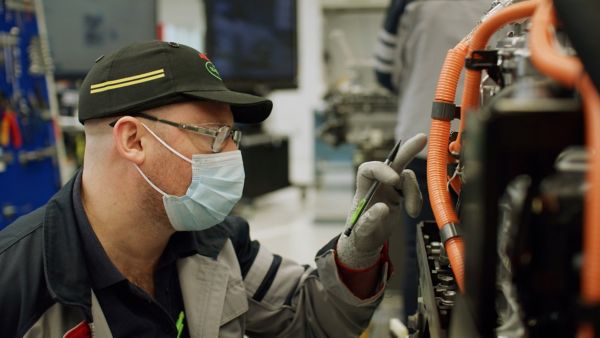
Toyota is partnering with customers looking for zero-emission fuel cell solutions
The Hydrogen Economy
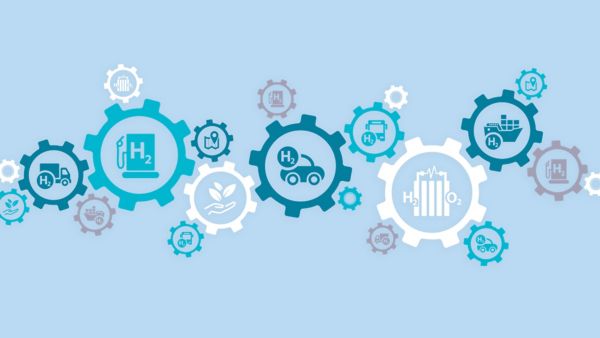
Fuel cell technology for clean energy solutions
Toyota Fuel Cell Technology
30 years of fuel cell technology experience