Toyota is committed to safety. Not just for our products, but also beyond. Our goal is to combine innovation and responsibility to ensure that every journey is as safe as possible for drivers, passengers, and pedestrians alike. Ultimately, we aim for zero traffic accidents in a society where people can freely and safely move around.

Safety is our top priority
Car safety and durability
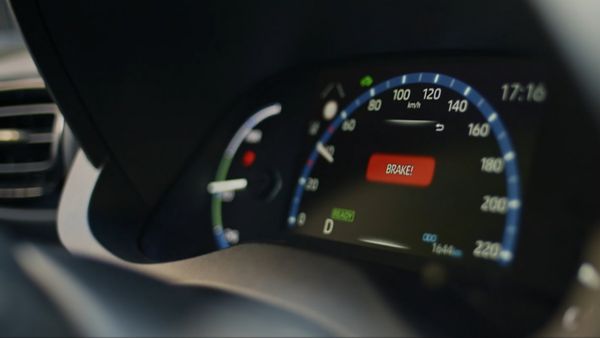
Toyota prioritizes vehicle safety and durability from design to customer use. Our latest models feature Toyota Safety Sense, integrating pre-collision detection, lane departure alerts, and adaptive cruise control to prevent accidents.
For durability, we rigorously test vehicles using computer models and real-world driving, including the European Durability Test (over 100,000 km in diverse conditions). This data ensures customer comfort and safety. We also collaborate with governments and communities on education and infrastructure to foster safer driving environments for everyone.

A living, breathing culture of safety
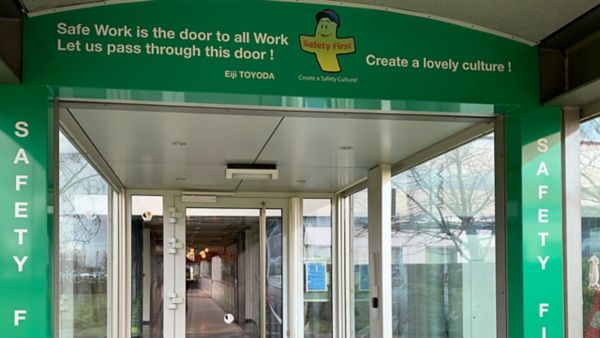
Our simple aim is zero traffic accidents. This commitment extends beyond safe cars and roads to include employee safety awareness and training. Safety has been in our company's DNA since 1938, when Toyota Motor Corporation launched a Safety and Health Committee and organised Safety Week.
We continuously adapt facilities to meet stringent safety standards. We provide training, visual reminders, campaigns, and preventive programs to support employee health and well-being. A safe working environment empowers employees to prioritize safety, ultimately making our vehicles even safer.
Listening for quality
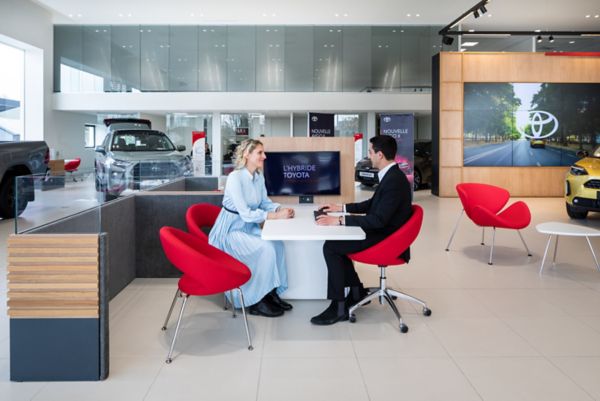
Improving safety on the road and during the production process are equally important. That’s why we’re always happy to listen to feedback from our customers and our workers, positive and negative.
Customers tell us if our vehicles meet our quality goals. We use their real-world experiences to make improvements and produce ever-better cars.
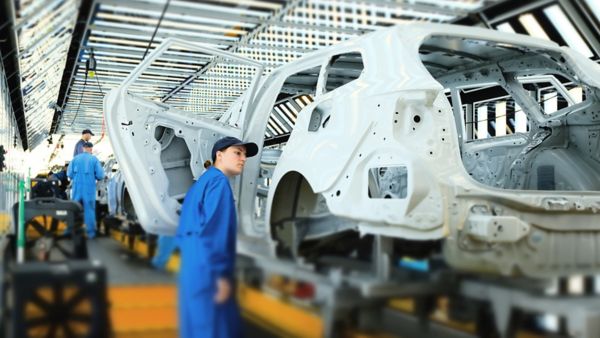
Workers, from R&D, through production at our manufacturing plants to our after-sales services and office staff, flag and tackle issues the moment they occur, never passing on poor quality to the next stage.
This comprehensive approach ensures that the products we deliver help create a world where mobility is safe.
You might also be interested in

Innovation at Toyota
Creating convenience and happiness for the future
Quality
Quality everywhere, in everything

Toyota T-Mate
With you for a safer journey
Passive Safety and THUMS
Vital protection you need when an accident happens

Zero accidents
Our ultimate goal: a future without traffic fatalities or injuries

Automated Driving
People and technology can team up to realise ever safer mobility