Skip to Main Content (Press Enter)

The Hydrogen Economy

Fuel cell technology for clean energy solutions
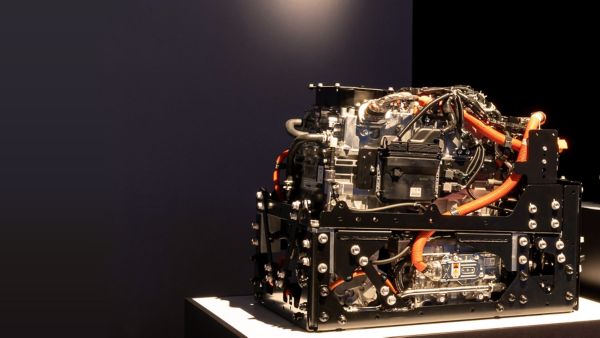
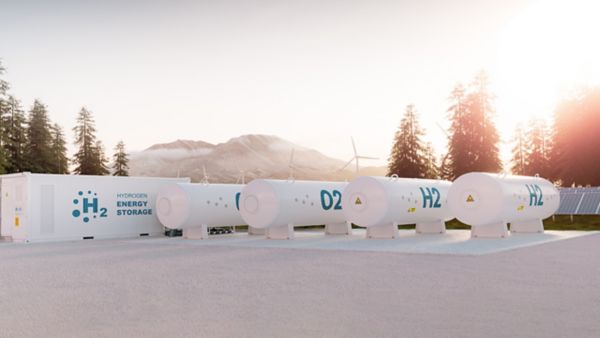
Toyota pioneered fuel cell technology 30 years ago and has been developing it ever since. Our fuel cell business is growing rapidly. We are using our hydrogen technology to achieve carbon neutrality beyond passenger cars and help realise a hydrogen economy.
Hydrogen’s role in carbon neutrality

The speed of progress towards carbon neutrality is faster in Europe than in other regions of the world. Supplying clean, affordable and secure energy is a major objective of the European Green Deal, which stipulates hydrogen as a priority area for a clean and circular economy. While Toyota introduced fuel cell technology in 2014 in passenger cars with the Mirai, the first mass-produced fuel cell electric vehicle, our technology is also suitable for other applications. It is appropriate for longer distance, higher loads – and a key instrument to reach carbon neutrality within society as a whole.

A focus on zero emissions

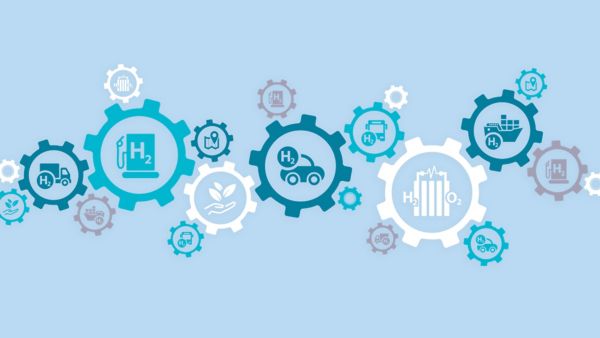
Toyota has been investing in fuel cell technology since 1992 and has adopted PEM (Proton Exchange Membrane) technology. It’s a process that results in zero emissions, apart from water. Moreover, our fuel cell technology is transferrable to other applications that require a zero-emission powertrain. Our goal is therefore to expand fuel cells beyond cars, and contribute to a hydrogen economy. We are also continually working to further reduce the total lifecycle emissions of our fuel cell products.
  • A dedicated Fuel Cell Business Group

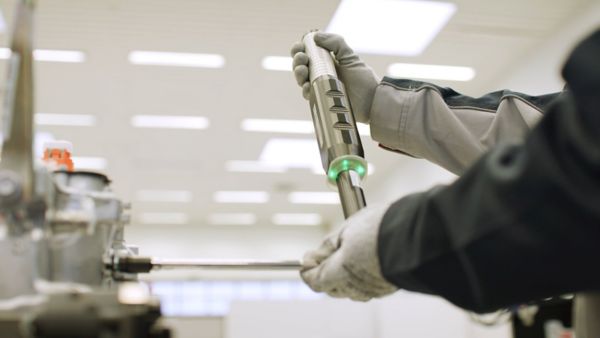
    Europe has a massive potential for growth of the hydrogen economy. In 2020 TME established a dedicated Fuel Cell Business Group in Europe, to accelerate our vision towards a hydrogen society. It consolidates Toyota’s European hydrogen activities in the areas of sales, R&D and manufacturing. The proximity to potential partners and the ability to closely monitor emerging business opportunities is allowing us to scale up the business quickly. 
  • Hydrogen ecosystems

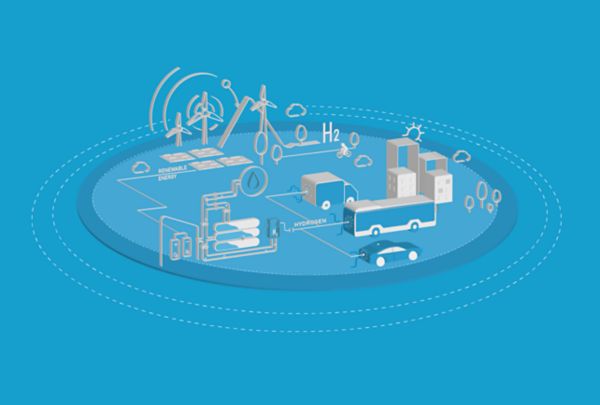
    The expansion of a European hydrogen economy is key to achieving the Green Deal’s objective of net-zero global warming emissions by 2050. To meet this challenge, industry will need ‘climate and resource frontrunners’ to develop commercial applications of breakthrough technologies in key industrial sectors by 2030. Hydrogen ecosystems in Europe involve sectors uniting and bringing their skills, technologies and applications together – such as truck, bus, taxi fleets and hydrogen infrastructure – to create viable business opportunities that can flourish and become the nucleus of larger-scale activities.  

Related News